


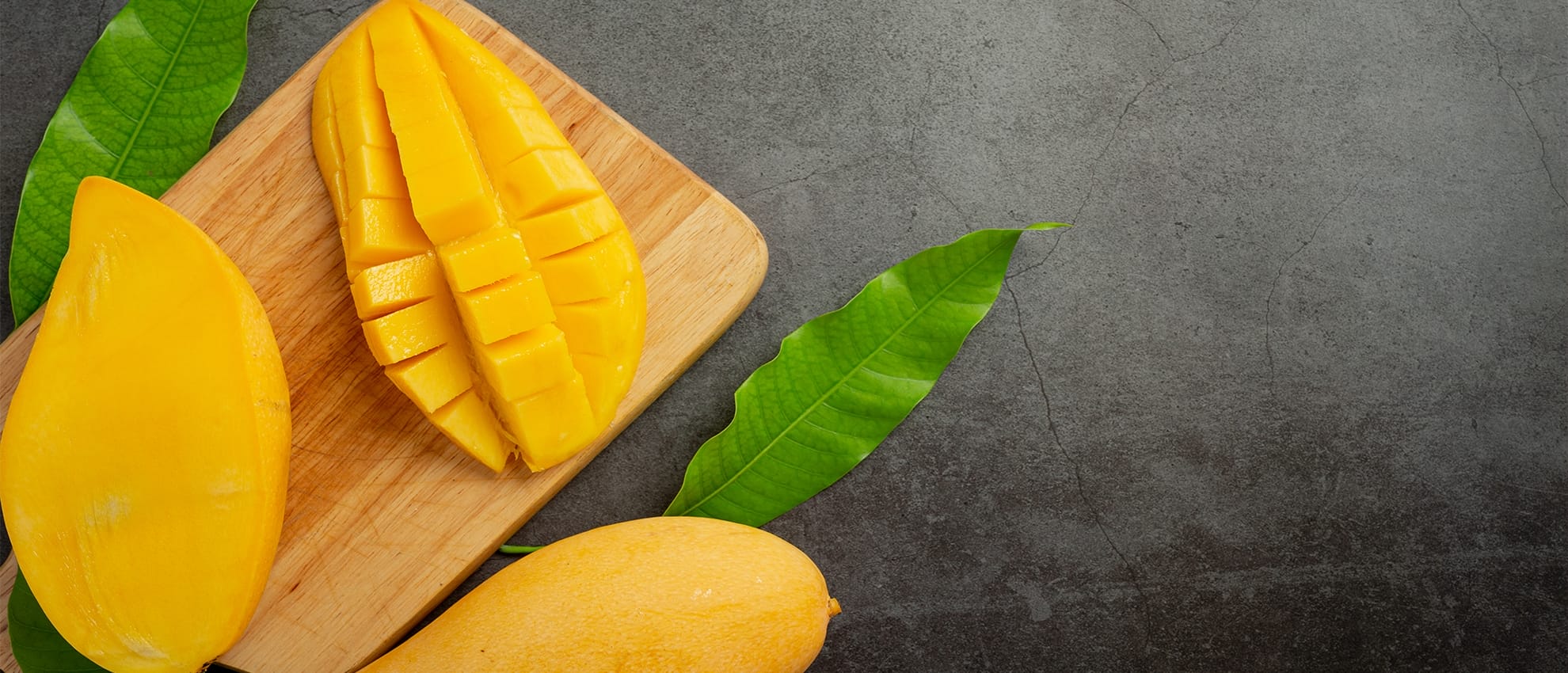
Mango essence is extracted from the seeds of the mango fruit (Mangifera indica), which belongs to the cashew family. This oil has a sweet, tropical, and fruity aroma and is often used in perfumes, cosmetics, and aromatherapy. Mango essence is an aromatic compound that is obtained either from the mango fruit itself or produced synthetically (chemically), with the purpose of imparting the natural taste and aroma of mango to food products.
In industrial production, synthetic or nature-identical mango essence is commonly used because it offers greater stability during thermal processing and provides a longer shelf life in finished products.
The main chemical constituents of mango essence include mangiferin, benzyl acetate, linalool, geraniol, limonene, and myrcene, which are primarily responsible for its aroma and biological properties.
Mangiferin is a plant-derived compound with antioxidant, anti-inflammatory, antiviral, and anticancer properties.
Benzyl acetate is an ester with a fruity aroma and antimicrobial activity.
Linalool is a monoterpene alcohol with a floral fragrance and relaxing, anti-anxiety, anti-inflammatory, and analgesic properties.
Geraniol is an alcohol with a rose-like aroma and possesses antimicrobial, antioxidant, and anti-inflammatory properties.
Limonene is a monoterpene characterized by a citrus aroma and uplifting, antibacterial, and antifungal properties.
Myrcene is a monoterpene with an earthy aroma and relaxing, anti-inflammatory, and analgesic properties.
Together, these compounds create a natural tropical aroma that is highly valued in the food industry.
GC-MS Analysis is used to identify key compounds such as:
Beta-Myrcene: 15–25%
Limonene: 10–20%
Caryophyllene: 5–12%
Applications
Beverages: Syrups, soft drinks, blended fruit juices, and energy drinks.
Dairy Products: Ice cream, fruit yogurt, flavored milk, and dairy desserts.
Confectionery and Chocolate: Jelly, gummy candies, biscuits, and fruit-flavored toffees.
Other Food Products: Beverage powders, water-soluble powdered flavorings, and flavor concentrate formulations.
Note: In the food industry, mango essence is generally produced in two forms:
Water-soluble, based on Propylene Glycol (PG Base)
Oil-soluble (Oil Soluble) for use in various formulations.
This essence also contains other aromatic compounds such as delta-decalactone, benzaldehyde, cis-3-hexenol, and vanillin, which help recreate the unique aroma of mango. Its fragrance can be described as a combination of sweet, tropical, buttery, and ripe notes with rich fruity nuances, reminiscent of the taste and aroma of fresh, juicy mango.